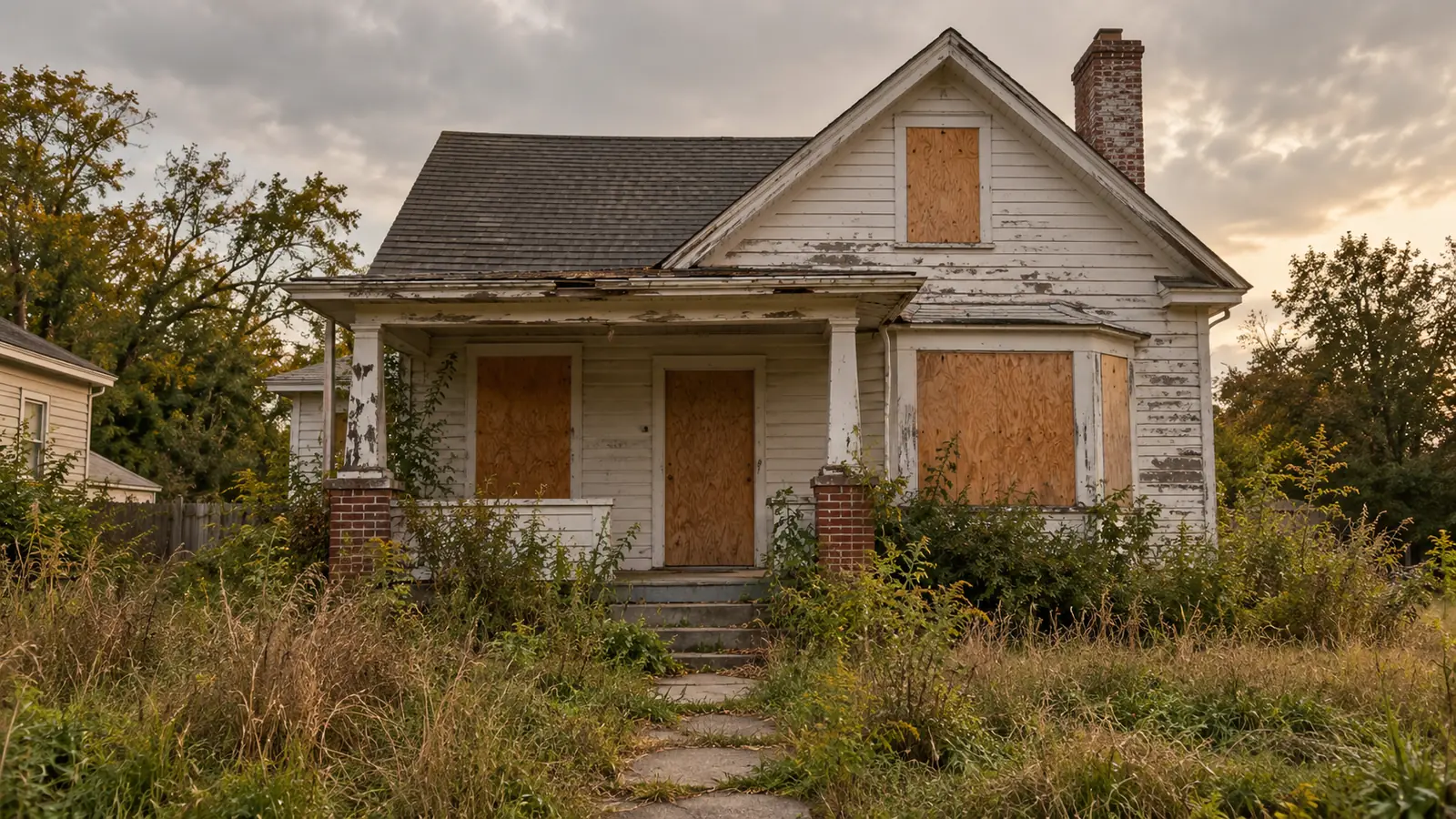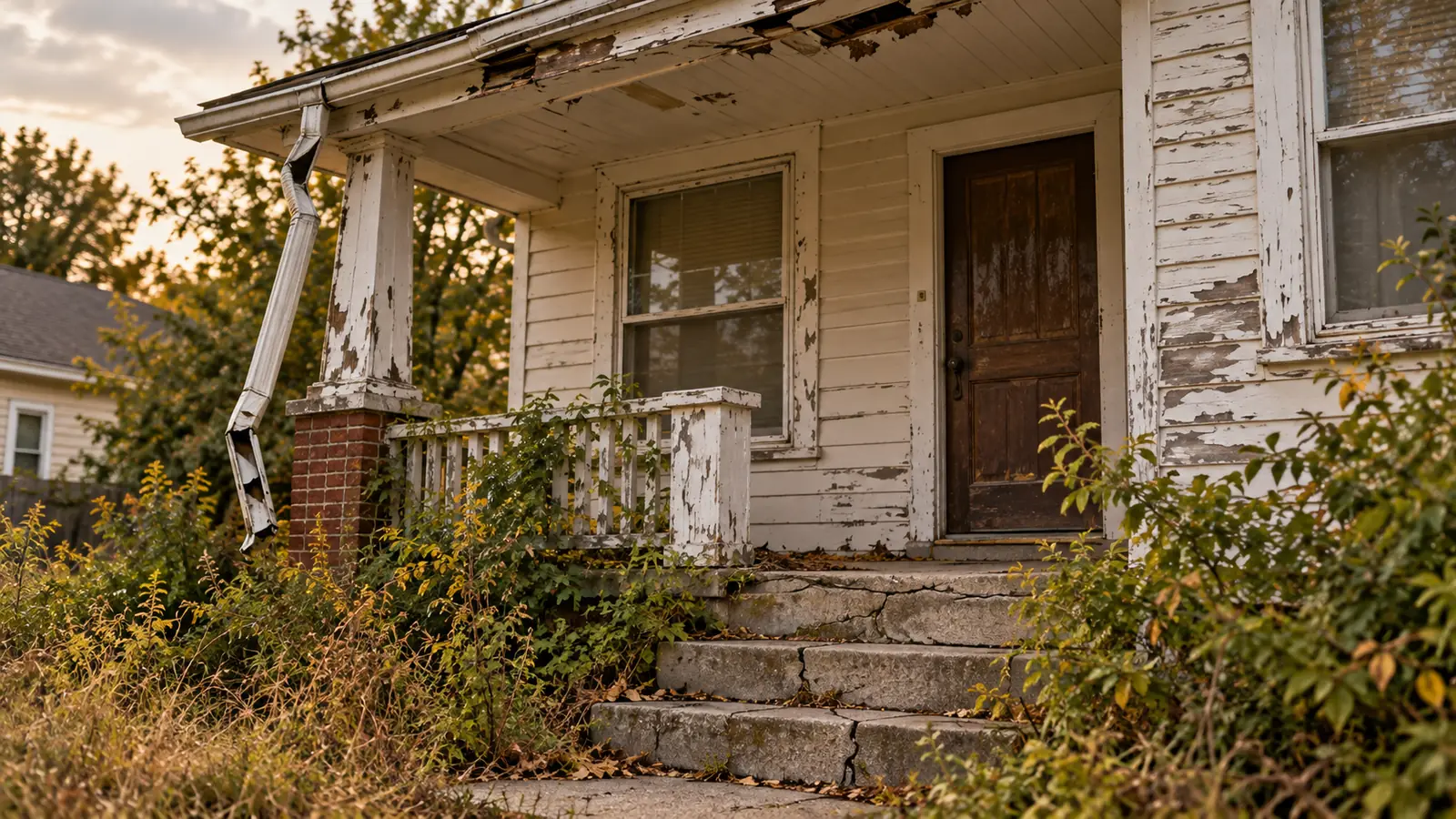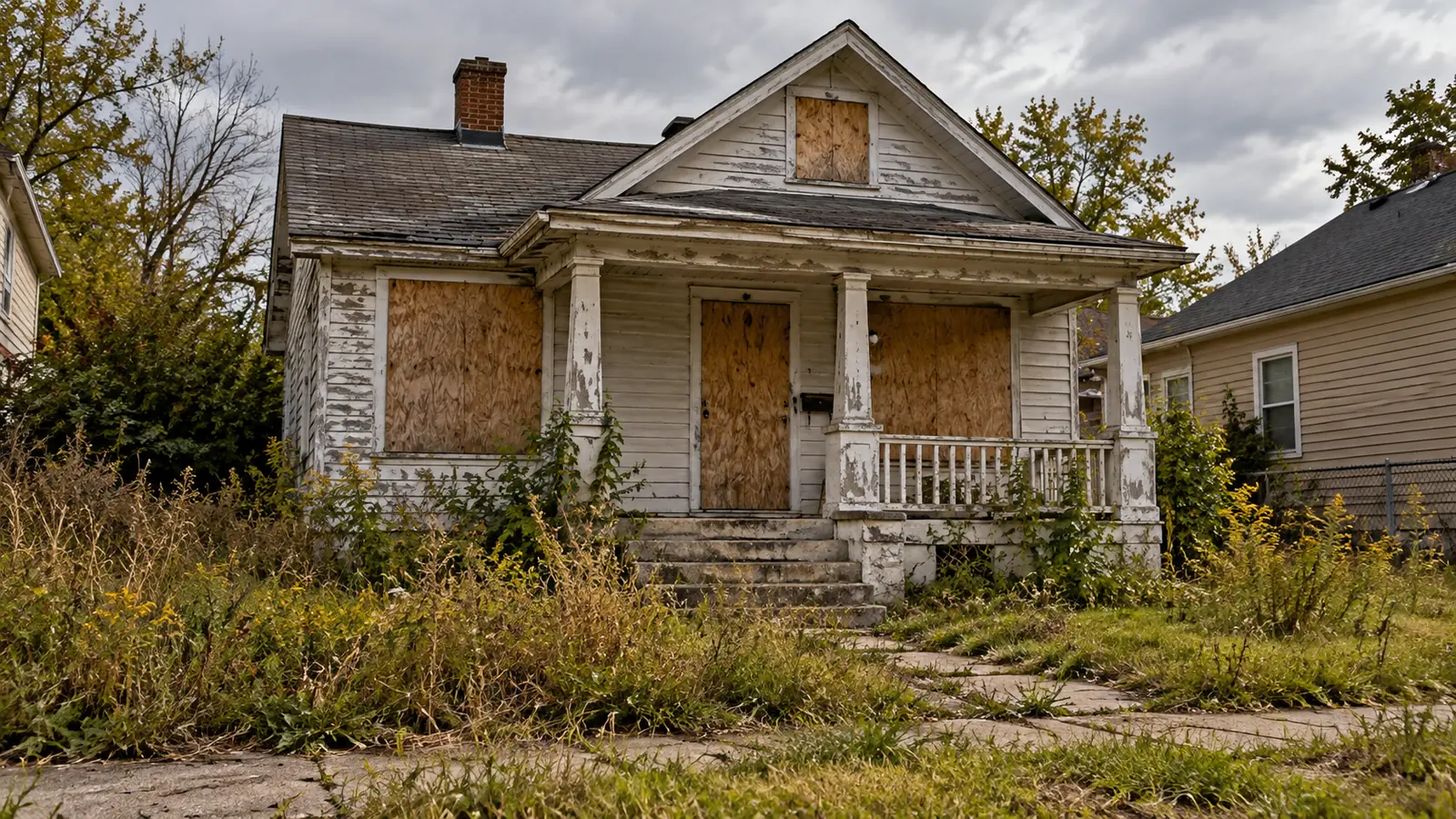
01How it is defined in LeadCounty
Top 10% of the county by the likely-vacant model (learned from buildings city inspectors confirmed vacant).
02How many are on the list today
Likely vacant (model) is on file in 86 of 99 counties this week. The most are in Cook County (Chicago), IL (26,051), Philadelphia County, PA (20,228), Harris County (Houston), TX (19,802); the typical county has 829.
| County | On the list |
|---|---|
| Cook County (Chicago), IL | 26,051 |
| Philadelphia County, PA | 20,228 |
| Harris County (Houston), TX | 19,802 |
| Cuyahoga County (Cleveland), OH | 13,750 |
| Franklin County, OH | 13,392 |
| Tarrant County (Fort Worth), TX | 11,097 |
| Hillsborough County (Tampa), FL | 9,105 |
| Orange County (Orlando), FL | 8,864 |
| Miami-Dade County, FL | 7,840 |
| Dallas County, TX | 7,759 |
| Duval County (Jacksonville), FL | 7,219 |
| Baltimore County, MD | 6,043 |
03Why it matters
Empty houses cost their owners taxes, insurance and upkeep while earning nothing, and they attract code cases.
04Where it shows up in public records
Learned from city vacant-building cases and the patterns around them (absentee ownership, tax status and code history where public).
05How to find likely vacant (model) in 3 steps
- Step 1, find the record: learned from city vacant-building cases and the patterns around them (absentee ownership, tax status and code history where public).
- Step 2, match it to the property: join the record to the parcel by its parcel number and the owner's name and address, so you know which house it belongs to.
- Step 3, add a second reason: stack likely vacant (model) with another list to see which owners have more than one reason to sell. LeadCounty does steps 1 and 2 for every property each week.
06How we count it
LeadCounty counts likely vacant (model) from each county's own records and shows the number for every county in the table above, refreshed weekly. A county that does not publish the record shows no count rather than a guess.
07How to use it
- Drive by or check recent photos before reaching out.
- Stack with absentee owner and code violations.
08Best stacks with likely vacant (model)
One list gives you a reason; two or three lists together give you owners with several reasons at once. The stacks that work best with likely vacant (model):
- Likely vacant (model) + absentee owner: the owner gets the tax bill somewhere else, so the house is less personal to them.
- Likely vacant (model) + code violation: the city has ordered repairs, with deadlines and fines.